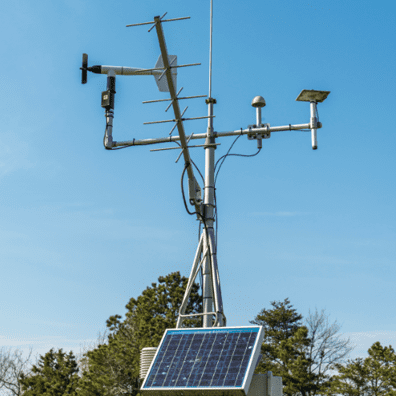
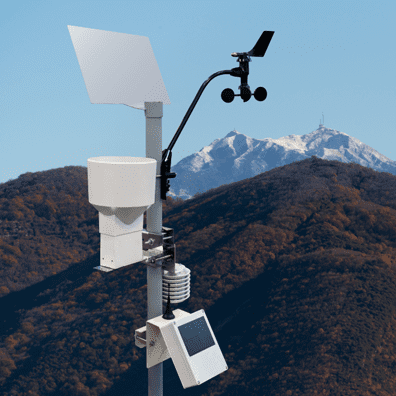
Weather can change quickly and unpredictably, and drivers need to be prepared for it. Meteorological Equipment Towers (MET) are typically used to monitor and forecast weather conditions, and they also play a significant role in traffic management by providing real-time data on weather and road conditions.
Weather Monitoring: Using advanced equipment, the towers monitor weather parameters such as temperature, humidity, precipitation, and wind speed and direction. This helps authorities manage traffic according to the conditions.
Road Condition Monitoring: Along with the weather, the towers can monitor road surface conditions such as temperature, surface friction, wear and tear, and ice accumulation in certain climates. This allows transportation agencies to plan maintenance activities.
Early Warning System: In case of severe weather events such as floods, storms or landslides, the towers raise early warnings. This gives authorities the time and accurate information to make appropriate road safety arrangements.
Data Sharing and Integration: The towers integrate easily with networks of sensors and data collection systems. The real-time data they share helps transportation agencies improve efficiency and road safety.
Informed Traffic Decisions: Real-time weather and road data helps transportation agencies and operators make informed decisions on route planning, road closures and speed limit adjustments.